
This reflective journal is part of Community Legal Centres NSW Regional, Rural and Remote Internship Program for Aboriginal and Torres Strait Islander students.
Day 1
I arrived at Orange Airport at 9:25 am - 10 minutes after I was meant to meet lawyer Nick from the Central Tablelands and Blue Mountains Community Legal Centre. He and the centre he works for live in Bathurst. Every second fortnight, Nick makes his way to Wiradjuri country, Forbes (which he tells me makes the biscuits that go on hotel pillows), to provide legal counsel for local Aboriginal and Torres Strait Islander community members facing domestic violence.
The first day is surprisingly quiet in the office, which Nick warned me about in the car: You never know how much or little you will face each trip until you get there. Only one of Nick's three calls of the day doesn’t get rescheduled and I eagerly get to join once the client has consented to have a student listen in. The call goes for about 15 minutes and Nick has to gently interject “I’ll look it over, but I’m not optimistic about the outcome” several times throughout. At the end of the talk after a fluster of information and a situation that sounds like a bureaucratic nightmare, Nick schedules a follow-up call for the morning before we leave and hangs up. “Thoughts?” We discussed the case and went over some legal situations and terms I hadn't encountered before. The call involved the Victims Support Scheme in NSW. “It used to be more money, it’s still more in other states.”
As part of the Victims Support Scheme, you can receive Recognition Payment to acknowledge a crime has been committed against you.
- You can get $1500 for attempted sexual assault, for example.
- $5,000 for a physical assault that results in grievous injury.
- $10,000 if the crime involved multiple incidents, multiple people, or a weapon.
- $15,000 - the top payment is if someone dies and you are a family member who was financially dependent on them.
It’s shocking, to be honest. For a serious crime, the money is devastatingly little. The optimistic look at the Victims Support Scheme system, created in 2013, is that the payments are more accessible to people. You no longer need a lawyer to fill in the application and the amount of evidence and paperwork needed is lower in contrast to the previous system. The more cynical view is that NSW ran out of money and people are receiving much smaller amounts. The system also doesn’t account for the length of time domestic abuse survivors can be in dangerous relationships. Someone can be in an abusive situation for 10 years and receive the same $1500 as someone who had a single experience of robbery or attempted assault.
The other reality is that this is one of the only mechanisms to receive any financial benefit that doesn’t involve a criminal conviction and a potentially lengthy/expensive legal battle, which is a rather pointless process if the perpetrator of the crimes doesn't have any money to pay.
I asked at the end of the discussion “Do you think these systems are bad on purpose or there's just so much bureaucracy that it’s broken?”
Day 2
The big ticket item of the second day in Forbes is the local court. A brick building opposite a lush green park feels a bit magical to have grown in the 35-degree heat that was bearing down on us from the walk.
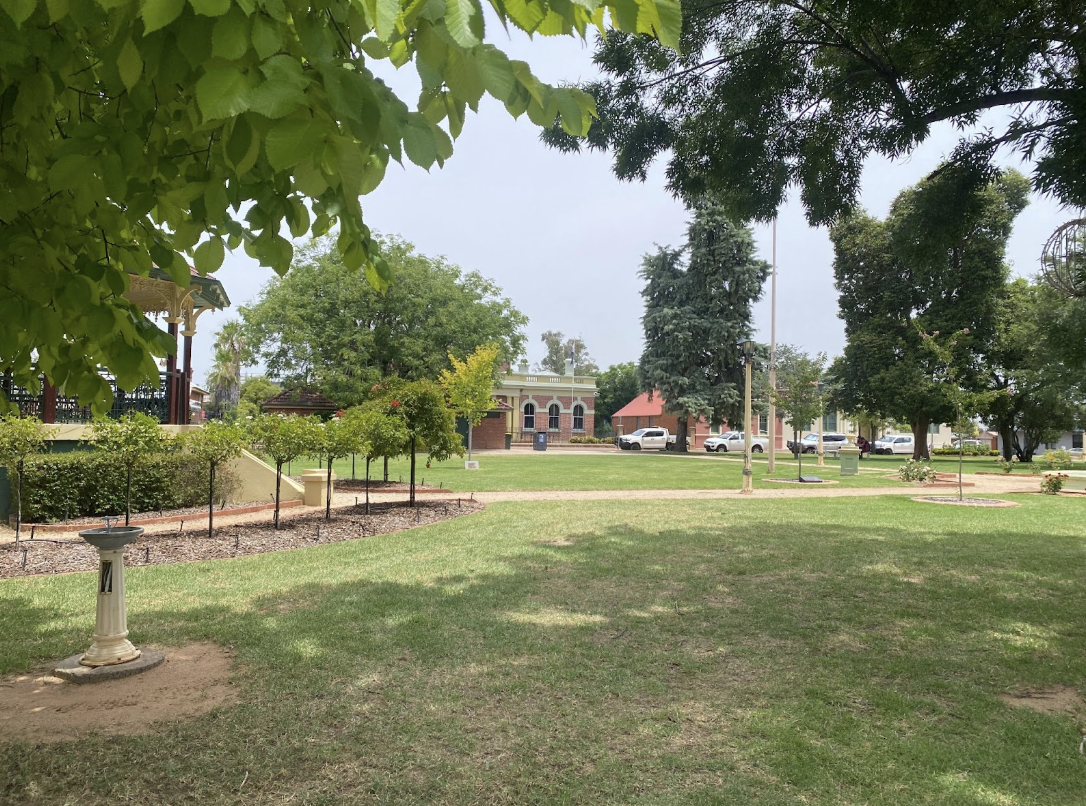
[Image: Forbes court peeking out from the trees in the park.]
Nick informed me before I went into the courtroom that you should bow to the coat of arms as you enter. I bowed and took my place in a back pew to see the proceedings. I had never been in court before so I took in the dark wood and the massive coat of arms (lion, unicorn, and all) in awe. Unfortunately, it was extremely hard to hear people in the Forbes court. The space had a high ceiling and a weird wooden structure in the middle that provided an obstacle to anyone without theatre-trained diaphragm projection being heard. It’s an old building but the two TVs facing the prosecutor and defense allow lawyers and the people being represented to attend virtually if required.
The bulk of cases were from the Forbes Police and the prosecutor had multiple large stacks of stuffed files on the desk in front of her. After the magistrate makes his decision, which takes perhaps five minutes a case, she, with a great thunk, drops the file into a plastic crate beside her to get them out of the way.
Whilst I sat in on the cases for the day (ranging from AVOs to drunk driving to a gun license dispute) Nick found a person who wasn’t on the proceedings list the centre received earlier that meets the criteria to be offered support from Binaal Billa.
In the afternoon, I sat in on Nick's first face-to-face client session. Mostly it was Nick sharing information about custody and the requirements for Legal Aid to pick up your case. It requires means - such as the client receiving Centrelink payments or experiencing financial hardship - and merit - the impact of the case being meaningful to the client's wellbeing or life.
After 5pm, I left the office and walked the two minutes to get back to the Inn we’re staying at over the trip. It’s an odd sort of place with blue doors, an Italian styling to the signs/artwork, and an older woman at the reception that I noticed wasn't wearing any shoes when she showed us to our rooms.
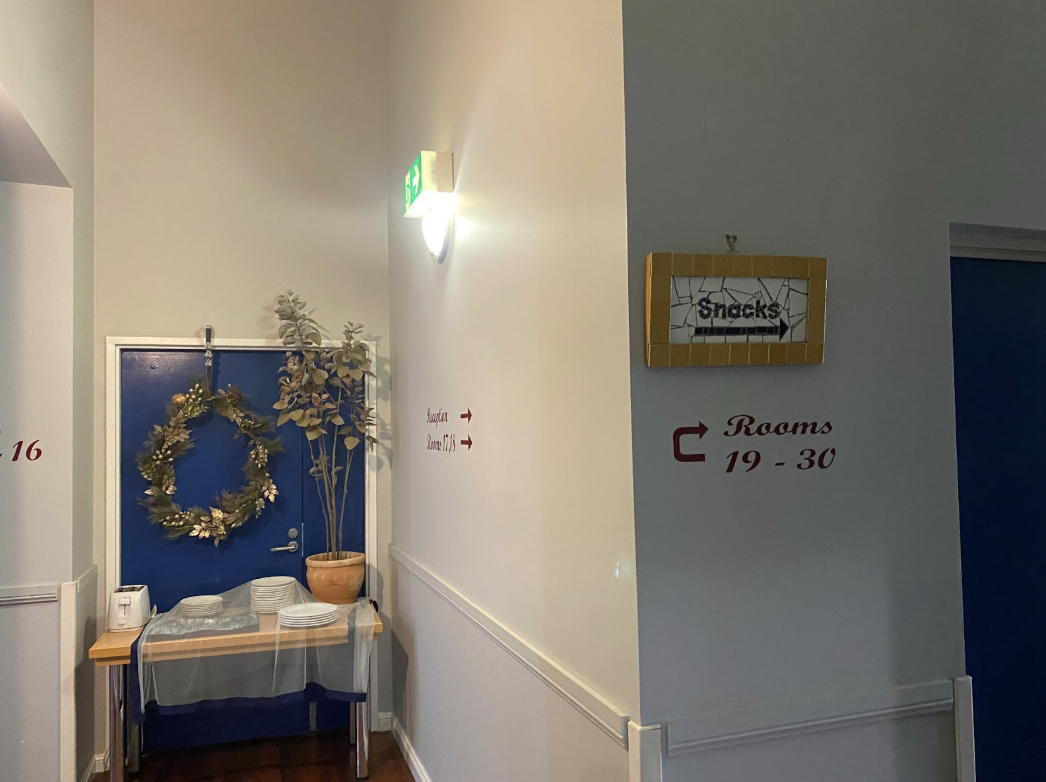
[Image: The wonderful stylings of Forbes Victoria Inn.]
Day 3
The third day at Forbes is spent mostly inside the Binaal Billa Office - a surprisingly modern building for Forbes with great facilities and much-needed air conditioning. A place my mum said looked “snazzy and professional” when I sent her photos of where I was working.
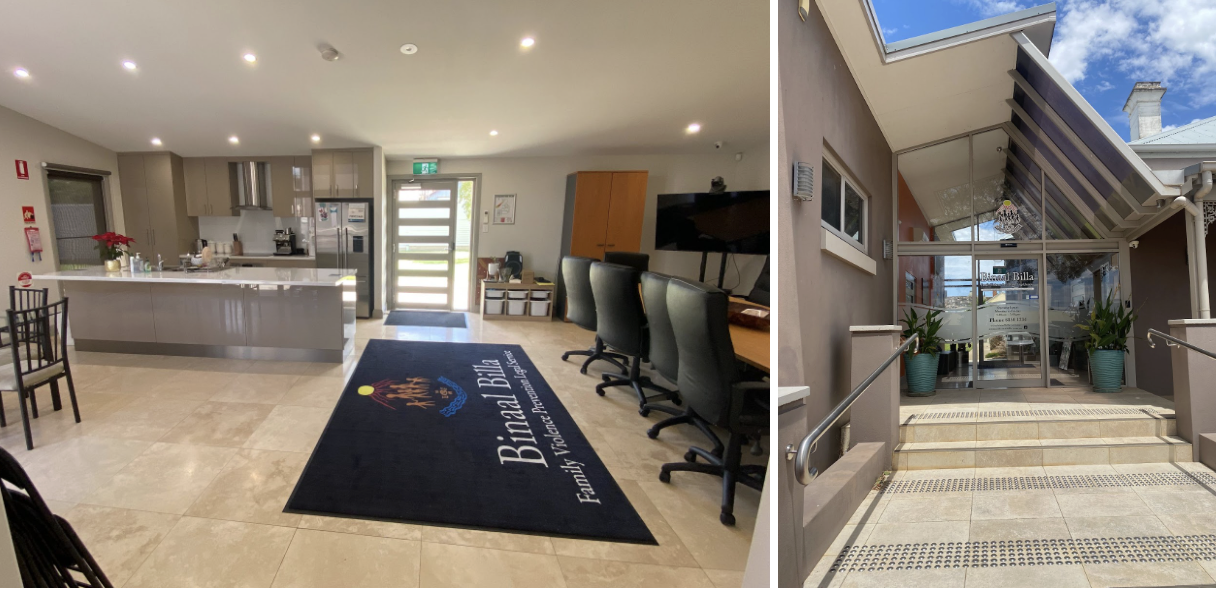
[Images: The Binaal Billa office.]
I sat in on Nick’s calls again and felt like I was starting to understand AVOs. There are two types of AVOs - Apprehended Domestic Violence Orders (ADVOs) and Apprehended Personal Violence Orders (APVOs). These can either be made by the person who feels like they need protection or on behalf of the person by the police (which can be actively against the wishes of the individual and often ends up being a paternalistic and unhelpful measure). There are several types of ‘orders’ that can form the conditions of the violence order. The first one is mandatory and details three behaviours that the perpetrator can not do to the Person in Need of Protection (PINOP):
- assault or threaten them;
- stalk, harass or intimidate them; and
- intentionally or recklessly destroy or damage any property or harm an animal that belongs to or is in the possession of them.
While these acts are illegal even without an AVO if there's a documented breach it becomes a more serious offence with harsher legal implications for your case.
The other orders are dependent on the situation and protection the PINOP requires or is perceived to require by the police force. For example:
- Order 2: You must not approach the protected person or contact them in any way unless the contact is through a lawyer.
- Order 9: You must not go within ___ metres of:
- any place where the protected person lives, or
- any place where they work, or
- any place listed here___.
Understanding this information became useful during the day.
I had observed in the days prior, this weird act of translation that someone working within a Community Legal Centre had to do. When a person is faced with a legal issue or a service, they want to do the very human thing of explaining the depths of the situation they’re facing or provide reasoning why a decision/outcome doesn't seem fair. But the legal system doesn't always need or want this information - it works only on a certain part of a wider complex human experience. So for instance when a solicitor needs to know the current orders of an AVO, they often get every detail of an arrest or why the police have made a decision that doesn't suit your situation. Which makes sense to a human but doesn’t have the strict wording or info that the system needs. And in remote locations where a magistrate gets five minutes a case, the human details aren’t always what's required. So the solicitor then gathers the depths and ‘translates’ to the base facts - the legalese requirements of the court or a contract.
This translation to suit a system rather than an empathetic human listener isn’t just a requirement in an AVO court matter. The Victims Support Scheme call on the first day required further digging from Nick and the emails sent by the client painted an amazing picture of their circumstance. Unfortunately, there wasn’t a clear “cause and effect” statement from the paperwork supporting the claim and it was several years too late to dispute the matter (the Victim Service Scheme only gives 90 days to dispute their decision). It was one specific legal detail missing from an otherwise compelling human situation. Nick explained there was “limited capacity for a compassionate review” in a system with strict rules and policies. This was a little heartbreaking but it did reinforce the need in my mind for people and services to do this sticky bureaucratic work for people in dark situations who probably need compassion the most.
Day 4
On Thursday once a month, Parkes Local Court is open for cases, so we headed out in the Binaal Billa ute to attend.
Whilst we were there, Nick had a successful outcome with a client that he encountered for the first time at the court.
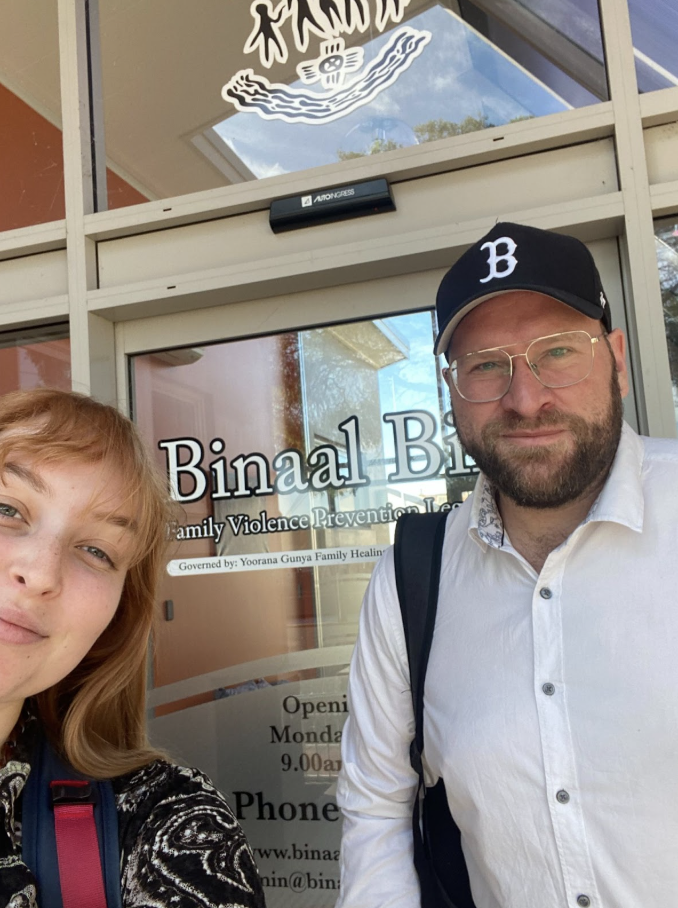
[Image: Sally and Nick outside the Forbes office.]
In the afternoon, we drove past Orange and into Bathurst. Nick gave me a car tour through the grid system of Bathurst town. He pointed out the shops and the cute local cafes. Then we made our way to the Bathurst 1000 track. It went high above the town at its peaks adorned with a formal start line but was still technically a normal usable road - but in a few days, it would no longer be open for the community to drop their kids off to soccer practice as it closed down for the upcoming 12-hour marathon race.
After the town tour, we arrived at the Central Tablelands and Blue Mountains Community Legal Centre and met another team solicitor Tessa along with the receptionist Megan. The office is a little less modern than the Forbes office, an old-fashioned red brick building near the heart of Bathurst Town. At the end of the workday, I walked two minutes across the road and crashed onto the bed in my room at the Country Motor Inn.
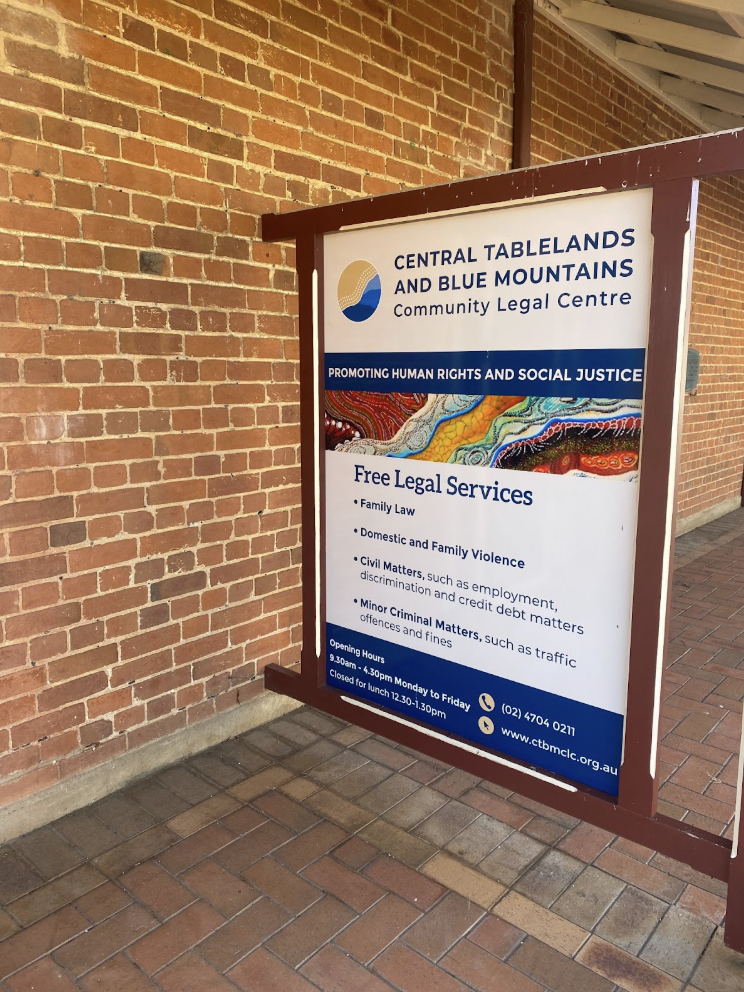
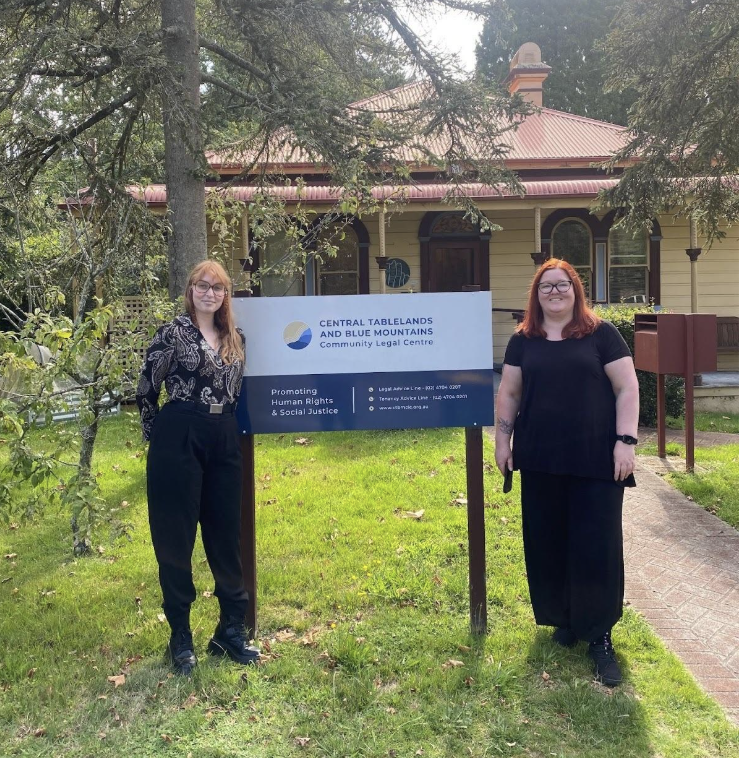
[Sign at the front of the Central Tablelands and Blue Mountains Community Legal Centre.]
Day 5
I arrived again at the office just before 9am to polish off a coffee before work. I met Arlia for the first time in person before we drove off at 10am to meet with the local Wahluu Aboriginal Health service in Kelso. Arlia explained to me the history of the local area on the drive over - that 200 years ago martial law was introduced by the white colonisers of the area to kill the local Wiradjuri peoples as they were seen as ‘too resistant’ to the white occupation of their land. The bloody massacre of Wiradjuri resistance fighters, along with women, children and elders who were killed indiscriminately still carries a heavy weight on the current landscape of the community. The Indigenous population in Bathurst is underfunded and has a notable lack of services in proportion to the 7.2% proportion of Indigenous peoples in the area (compared to the national 3.2% percentage of the population).
The history lesson sets the stage for the importance of Indigenous-led community centres in the local area, such as the one the Wahluu Health Service is currently trying to establish. We attended the meeting to help with data-gathering for the service, which is instrumental in gathering future funding and creating a statistical picture of the needs of the local community.
The ideal centre model would involve a safe space for local community members running community engagement programs (such as disco nights for local kids, elders bingo and sports after school) and would also provide a platform for community services to connect with people in need.
Arlia offered for the centre to come out on a few days the following week to assist with dismissing minor fines any local community members might be facing. If left unpaid, these fines can mean losing your driver’s licence, which can impact people’s ability to work. Showing up also provides an opportunity for connection with anyone who might need the service in the future.
After the meeting concluded, we drove back through the town for lunch. I absentmindedly commented that the nearby park looked lush and nice. Arila agreed before noting we were driving down a street called King’s Parade and that the statue in the park was not great either. The statue featured a British explorer standing proud and by his feet an ‘unknown’ Indigenous man crouched down with his hand shielding his eyes to survey the area. There's debate in the area if the glorified power gap displayed on the statute that warrants it being removed, but on the other hand in a town largely dominated by white Australian structures maybe it's better than the ‘unknown’ Indigenous man is not erased from the landscape.
Long weekend
I had three days to explore Bathurst due to the long weekend. On the first day, I walked around town and looked at the local op shops/vintage places in the area. The grid layout of the town is pretty easy to navigate, and I end up shielding myself from the heat in the city shopping centre for lunch.
On the second day, I spent an hour at a local laundromat watching my clothes spin around in the heat. It’s Survivor's Day so I’m not keen to be out when people are celebrating. In the evening, I caught a pretty terrible horror movie at the local Metro Cinema.
On the third day of the weekend, I end up at the Panthers RSL club next to the Motor Inn for lunch. It feels rather odd to be dining alone whilst older couples and a few families chatter away together.
Day 9
Arlia took me out to the community centre in Kelso again. There were several kids engaging with the service, using the Breakfast Club and sporting games. Arlia set up with her laptop and was able to go through the fine reduction service with several people throughout the morning. The children were cheeky and adorable. The Wahluu workers spent time with the kids to create the rules of the centre such as “Don't use hands… OR FEET… against anyone”. They wanted to make sure they collaborated with the kids to develop the rules so they would understand why they were in place.
We headed back into town and went to a lovely Japanese restaurant for lunch. As a vegetarian, it was great to have a fresh meal as I had been consisting of what I could make using a kettle and microwave in my motel room over the weekend.
I sat in with Nick again for a call regarding mediation. Nick provided advice and reassurance.
Nick’s next call was about issues with the Victim Services Scheme. Nick explained the state of things and the client was grateful to have a better understanding of the situation. We talked after the call ends, and the sentiment is the same as the first day, “This system is really frustrating.”
Day 10
I headed out with Arlia to the Katoomba office in the morning. It's an hour-and-a-half drive that steadily became cooler as we reached the higher altitude of the mountains. The Katoomba office is a little cottage-like building with stained-glass details. It's a two-minute walk from the courthouse.
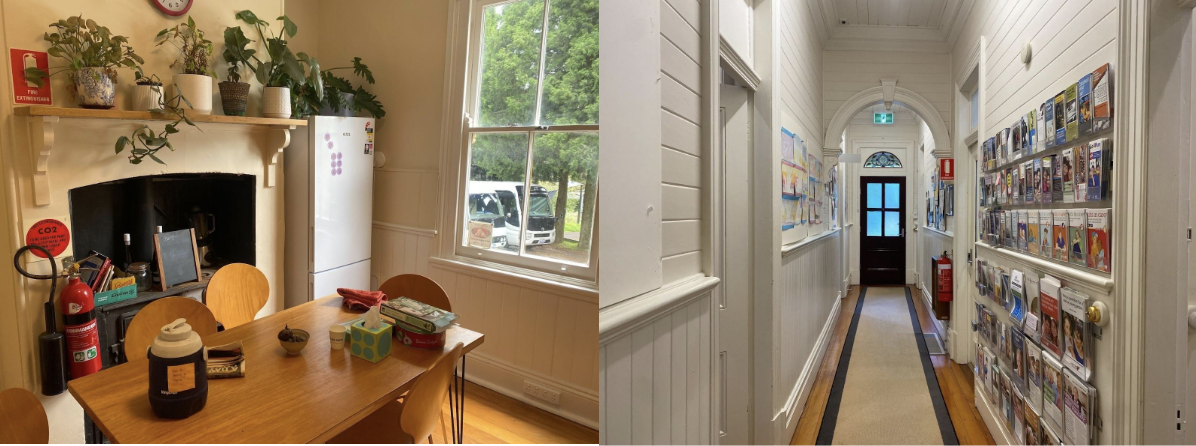
[Images: Inside the Katoomba office.]
Arlia took me out to see the Tenancy Tribunal where Tenancy Advocate, Ben, was working with a client. We had to get security checked on our way into the courthouse, which is a lot more than what happened at Forbes and Parks. I placed my phone into a little sliding tray and stepped through a metal detector, and soon after I was waved over with a metal detector wand by a security guard. I slipped into the courtroom and only caught the end of the case before I walked back with Ben to the office. He had to make a quick coffee and a quicker conflict check (to ensure none of the clients couldn’t be seen by the service) before the next round of cases heard in the next Tribunal session in a few minutes time.
Unfortunately, the tenant that Ben thought he would be supporting at the next session didn’t show up. It’s quite similar to the “You never know what you’re going to get” model that I saw when Nick and I visited courts in Forbes and Parks. Even though you get a list of cases that are appearing a few days before the court day, sometimes more clients pop up, or the ones you thought you were going to see don’t attend. There's a certain amount of ‘go with the flow’ required when working with vulnerable members of the community.
Beau is the intake and front desk officer for the Katoomba office and let me sit in on his calls of the day. I found it really interesting seeing the intake and initial assessment process as all week in Forbes I’d been seeing what Beau (or someone else in Beau’s role) had been sending for Nick to review before meeting with clients.
I also got to chat with the other Tenancy Advocate, Saffron, for a while about her career in community services. She has had a long career in a bunch of different roles helping people in the community with housing and other issues. It was interesting to hear it wasn’t something she planned on doing. She got a qualification in accounting and applied for a job at a private firm and another job for a community agency upon graduating. She happened to get the community agency job helping people facing homelessness with intervention services and luckily, she loved the work. She gushed fondly over casework and seemed to love connecting with people. She doesn't need to have a law qualification to do her job advocating for tenants in the courts - neither does Ben - which I didn’t expect. It was interesting to peek behind the curtain and see the roles outside of solicitors that help make a community legal centre work.
Day 11
I arrived at the Bathurst office at 9am to a rather busy morning. There were interviews for the front desk/admin position as Megan (the current and beloved admin) was leaving for another job. There were more people than usual in the office for the interview process, including the principal solicitor from the Katoomba office, Eliza, who I had met the day before.
I did a little bit of research to help one of Nick’s clients who had a question about financial assistance. I managed to track down a scheme through the Community Restorative Centre and then compiled the information to send Nick a summary. Then I called the NSW Trustee and Guardian regarding a different matter.
The day turned quiet after the interviews were done and it seemed like the centre was low on its luck in finding a new admin coordinator. Arlia and Nick jokingly turned to me and asked, “You ever thought of moving to Bathurst?” I laughed but for a moment I thought about it. They are an amazing team.
Day 12
I packed up my suitcase and checked out of the Country Motor Inn that had been my home for the past eight nights. I thoroughly enjoyed my experience and having the opportunity to travel around to different offices and courts - but I was looking forward to heading back to Sydney to see my dog, friends and bed again.
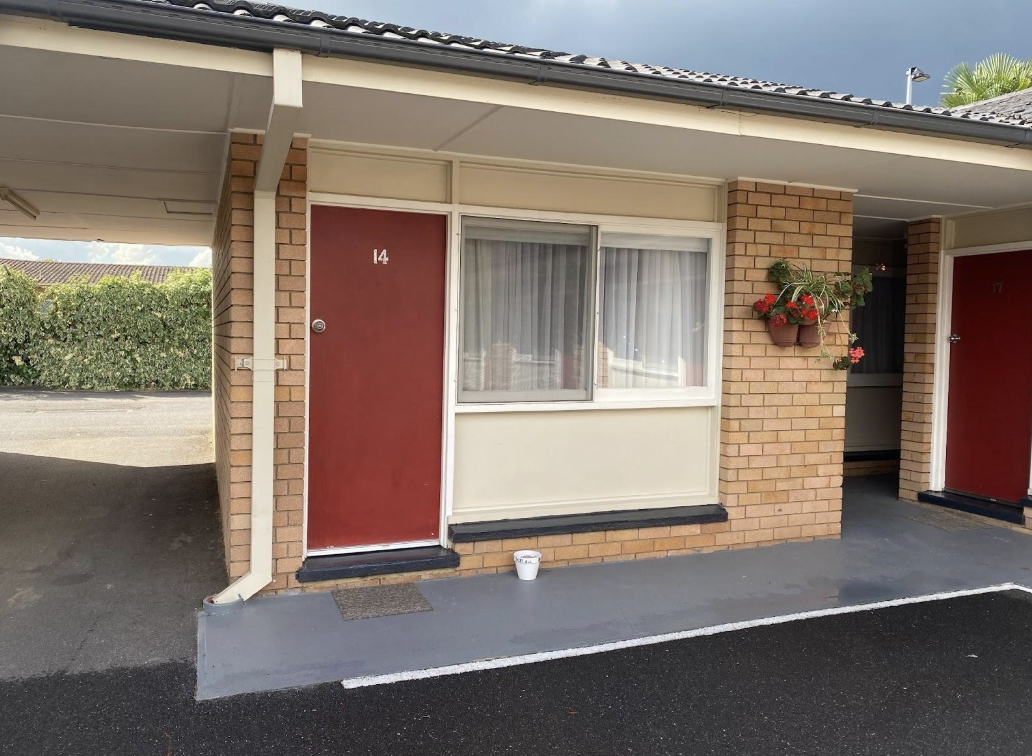
[Image: Number 14 where I had been staying in Bathurst.]
It wasn’t only my last day but also Megan's - which means the team came together for a goodbye lunch. We went back to the Japanese restaurant Yokos and chatted for a while. Tessa and I realised that I lived next door to her old house in Sydney. I felt lucky to have spent time getting to know everyone around the table.
They’re a really lovely team and they do a lot to support their local community and those in the surrounding areas. The experience has been illuminating. Coming from no understanding of family law, I had experienced a lot of different cases in two weeks. From AVOs to trustees to parenting plans to Victim Support Scheme applications to other areas of the law like tenancy tribunals. Providing information, advice and support in a legal centre allows people (particularly vulnerable people) to gain an upper hand in a legal system or government systems that aren’t designed to be easy.
It’s a team that cares, and cares about the individuals in front of them. From Beau being excited about finally connecting with a client over the phone to make sure a teenager get support before a court day. To Nick who felt a sense of pride in getting a Parkes court matter sorted on the day having never even met the client before. To Arlia forging alliances with other community agencies. It’s an important service, and I’m so happy I got to see and understand it.
Questions and Explanations
What is a Community Legal Centre?
Community Legal Centres (known as CLCs) are not-for-profit services that provide free legal information and advice to the community members in their area.
What does Binaal Billa Do and how does it connect to the Central Tablelands and Blue Mountains Community Legal Centre?
Binaal Billa is a ‘Family Violence Prevention Legal Service’ that is for those of Aboriginal and/or Torres Strait Islander descent and its specialist area deals with issues such as:
- Family Violence
- Sexual Assault
- Family Law
- Child Protection
- AVOs
As community centres only cover certain locations, the Binaal Billa service covered clients from the catchments of:
- Forbes
- Parkes
- Peak Hill
- West Wyalong
- Condobolin
- Lake Cargelligo
- Murrin Bridge
- Grenfell
- Cowra
- Young
- Tottenham
- Tullamore
- Trundle
They also provide case management services and connect people to other services such as counselling. They might also refer individuals to other services if there is a conflict of interest or they cannot provide help in the needed area.
Binaal Billa is partnered with the Central Tablelands and Blue Mountains Community Legal Centre. The CTBMCLC provides solicitors to provide legal outreach to the areas two weeks of the month, in line with the local area court days. The Binaal Billa office is staffed by community support workers in the local area. They provide assistance and intake into the community legal centre.
Find out more about the Community Legal Centres NSW Regional, Rural and Remote Internship Program for Aboriginal and Torres Strait Islander students.